


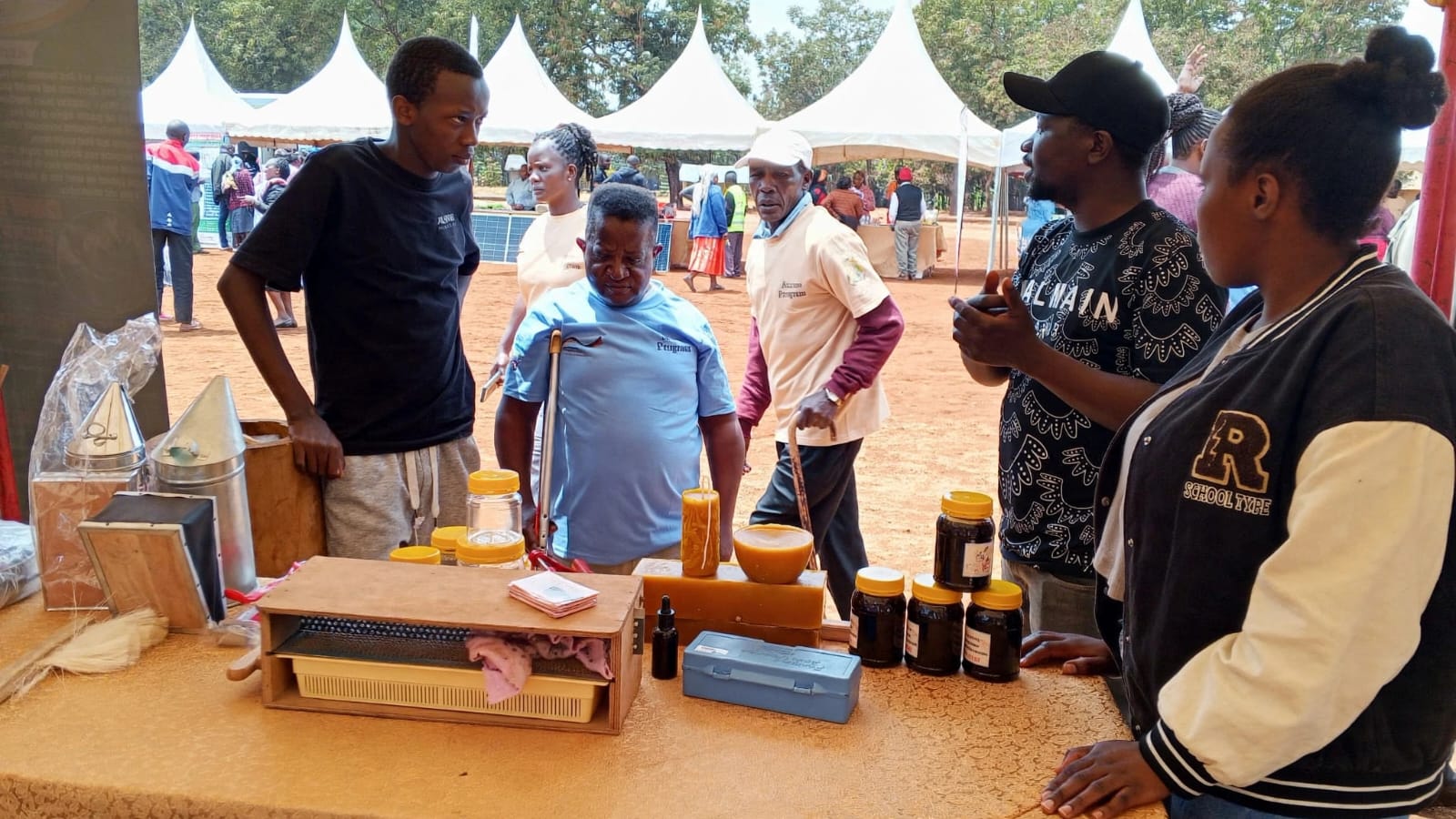
Persons with disabilities in Embu County are increasingly turning to agriculture and enterprise to improve their livelihoods, following a partnership between the Association for Persons with Physical Disabilities of Kenya (APDK) and the County Government of Embu.
The partnership, implemented through the five-year ACCESS Program, seeks to address barriers faced by persons with disabilities by promoting rehabilitation, inclusive education, and sustainable livelihoods.
The program was launched in September 2024 after the 2019 Kenya Population and Housing Census identified Embu County as having a disability prevalence of 4.4 per cent, among the highest in the country.
The program is being implemented in Runyenjes and Mbeere South sub-counties, which have been identified as having significant numbers of persons living with disabilities.
The initiative is funded by Christian Blind Mission (CBM) with support from the German Corporation and is being implemented by APDK in partnership with the County Department of Health and other county departments, including Agriculture and Livestock.
Speaking during a two-day inclusion trade fair held at Ugweri Primary School in Runyenjes, APDK Embu Coordinator Pauline Wawira said the high disability prevalence in the county necessitated a deliberate intervention to enable persons living with disabilities to become economically independent.
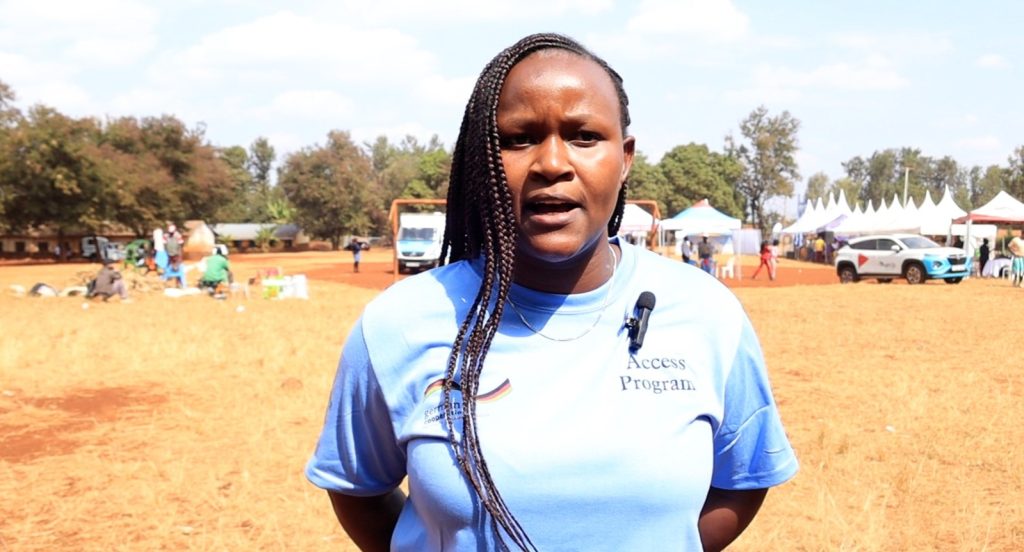
“We aim to empower persons with disabilities to see that they can live their lives like other people. Persons with disabilities need to be given the same rights, access and opportunities in all areas of life, including their livelihoods,” Wawira said.
She said APDK was working closely with the agriculture, livestock and health departments to ensure persons with disabilities were not left behind in development programs.
“We want to see persons with disabilities able to do their own production and make their own money so that they can lead normal lives,” she said.
The trade fair brought together persons with disabilities, farmer groups and organizations, allowing them to display and market their products while exchanging knowledge and skills.
Wawira said the exhibition was not only about selling products but also demonstrating that persons with disabilities can actively contribute to the economy when given equal opportunities.
“What we are showing and advertising today is inclusion. All people should work together and showcase their production, both products and services. If given the same opportunities, persons with disabilities can live like any other person,” she said.
The County Department of Agriculture has also joined the initiative by providing farmers living with disabilities with training on modern agricultural practices, marketing and management skills.
Embu County Agricultural Officer Mercy Wanja Kinyua said the department was working with the ACCESS Program to train persons with disabilities through organized farmer groups and exhibitions.
She urged more farmers living with disabilities to come forward and enroll in the program to benefit from agricultural training and other opportunities.
“The county is looking for more farmers with disabilities so that we can enroll them in the program and help them benefit. I am calling on all persons with disabilities to come out and participate in such programs,” Wanja said.
She added that the training was aimed at giving beneficiaries practical skills that would enable them to sustain their agricultural projects even after the five-year program ends.
The trade fair showcased a wide range of products, including honey, poultry, seedling production and livestock products, reflecting the growing involvement of persons with disabilities in agriculture and agribusiness.
For Stephen Kariuki, a member of Runyenjes Central Persons with Disabilities Group, the program has already changed lives through beekeeping.
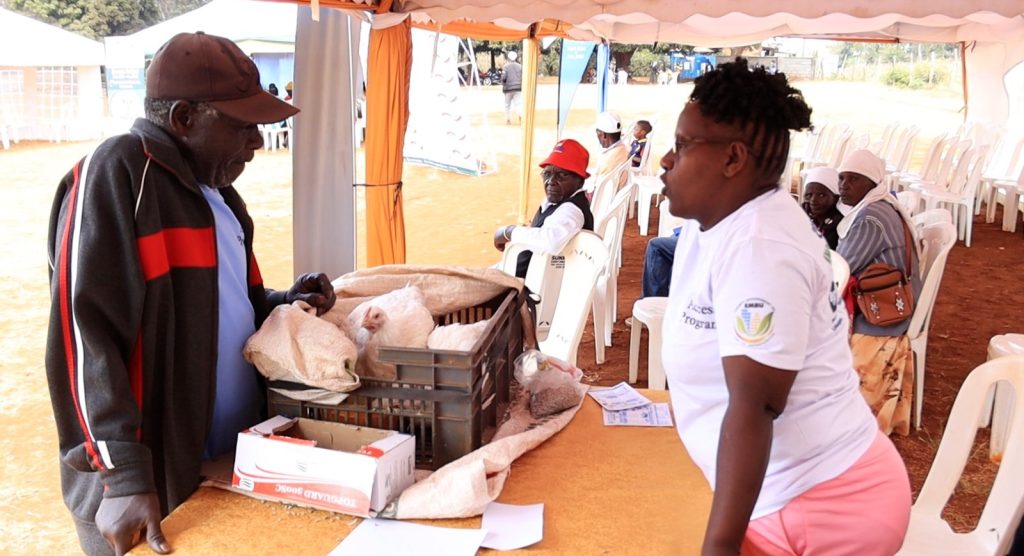
Decrying the act of hiding disabled children, Kariuki said his group received beehives through the initiative, enabling members to produce honey for sale.
“Because of the beehives, we are now producing honey for sale, and our lives have improved. The training we received during the trade fair will also help us improve honey production,” he said.
He, however, called for greater support for value addition and market access so that groups can earn better returns from their products.
Kariuki also urged the county government to deliberately include persons with disabilities in more empowerment initiatives to help them become self-reliant.
Margery Gicuku, from Muraru in Mbeere South, said the ACCESS Program has opened a new economic opportunity for her group through rabbit keeping.
She said their group had started earning a living from the project, while the trade fair had provided an important platform to meet customers and sell their products.
“The exhibitions at Ugweri have enabled us to make sales and meet new customers,” Gicuku said.
She urged persons living with disabilities to register for empowerment programs whenever opportunities arise, saying participation was key to improving their livelihoods.
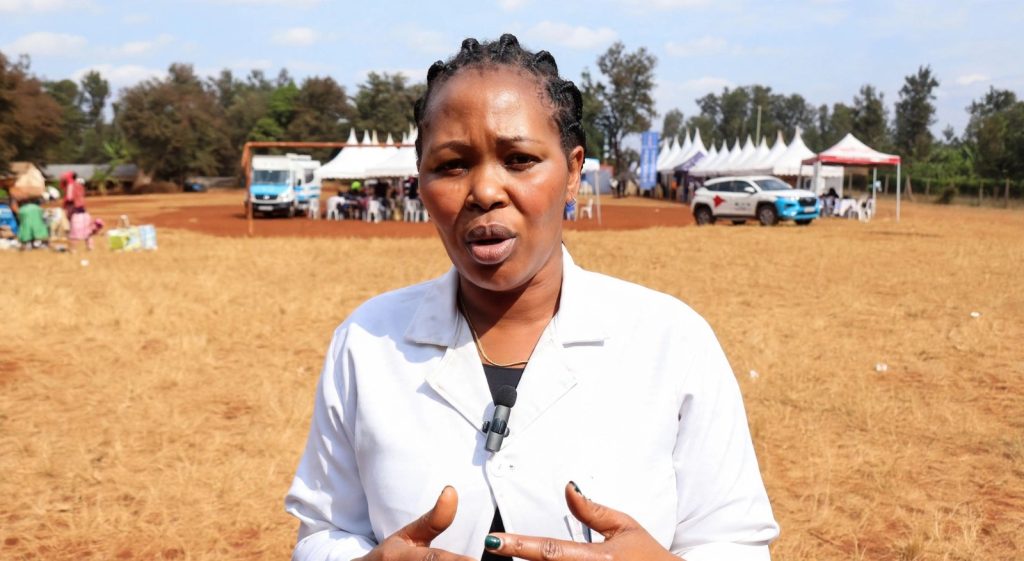
Meanwhile, Fridah Ntinyari, a Physiotherapist from Consolata Hospital Kyeni, said disability can arise from several causes, including complications during childbirth, genetic conditions and accidents.
She said health workers involved in the program were providing therapy, assessing individual needs and linking beneficiaries to appropriate support services to improve their mobility and general well-being.
With agriculture emerging as one of the key pathways to economic empowerment, the ACCESS Program is seeking to shift the narrative around disability—from dependence to participation, productivity and self-reliance.
What’s happening near you? Send us the story via
news@arisemediagroup.co.ke or WhatsApp 0750456085
Book Advert-use above contacts
 449
449